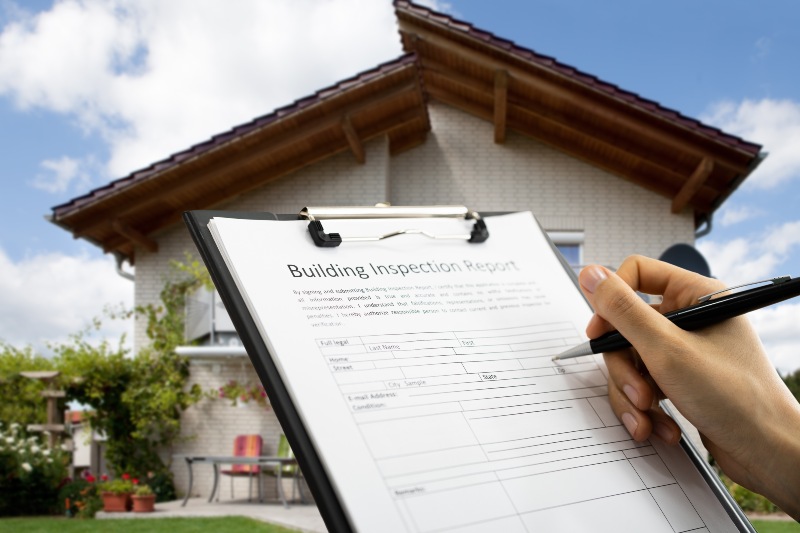
A pre-purchase home inspection is a critical step in the homebuying process. It is designed to protect your financial investment by identifying potential pitfalls that could result in increased maintenance, costly repairs, safety hazards, and other issues. Neglecting to schedule an inspection could increase your risk of inheriting structural, electrical, and plumbing problems that must be repaired shortly after closing, leading to huge bills and potential liabilities. Here is a look at the home inspection process, including what inspectors look for and what’s on home inspection checklists in El Paso, TX, and New Mexico.
What Is a Home Buying Inspection?
A home-buying inspection is a visual assessment of a property’s structural systems and physical condition. It is conducted by an experienced, certified independent inspector. This process is completed after securing a mortgage loan or financing, but prior to closing, and is meant to protect the future homebuyer from hidden safety issues and defects.
What Is on a Home Property Inspection Checklist?
Inspection checklists are lengthy and cover hundreds of structural, mechanical, and safety elements that are evaluated to determine the overall safety, stability, and condition of a home that is listed for sale. Most checklists include:
- Exterior Inspections – An exterior inspection encompasses all exterior structures and the structural foundation of the home. Inspectors look for cracks, bowing, and shifting; assess grading and drainage; evaluate the condition of siding and exterior trim; inspect window and door frames, seals, glass, and hardware; and look at walkways, driveways, patios, and decks.
- Interior Inspections – An interior inspection includes a thorough assessment of the ceilings, walls, and floors for signs of water damage or other issues; testing of any built-in appliances like dishwashers, ovens, and garbage disposals; and an evaluation of interior stairs, steps, and handrails.
- Roofing and Attic Structures – The inspector will check all components of the roofing system for signs of damage, including decking, underlayment, shingles, flashing, soffit, and fascia. They will also check gutters and downspouts, ventilation, and attic insulation for signs of water damage, missing or broken parts, and insect and animal infestations.
- Electrical and Plumbing Networks – This inspection includes a full assessment and testing of the main electrical panel as well as all outlets, switches, supply lines, drains, and plumbing appliances.
- HVAC Elements – The inspector will run through all HVAC settings, test airflow and thermostats, and look for signs of damage.
Your Home Inspection Guide: Major Systems Inspectors Evaluate
An independent home inspection includes a detailed evaluation of any systems and components that could pose safety issues that would affect the sale price, structural stability, or habitability of a home. Understanding how and what inspectors evaluate will help you interpret the inspection report and negotiate repairs with the seller:
- Safety and Structural Concerns – Inspectors look for red flags like a shifting foundation, foundation settling, damaged support piers or floor joists, bowing walls, unlevel flooring, sticky windows and doors, and wood rot. These issues could indicate foundation problems that cost tens of thousands of dollars to correct.
- Electrical and Plumbing Problems – Faulty or outdated electrical and plumbing systems can be major safety hazards and result in extensive repairs, renovations, and replacement systems. Inspectors look for problems like double-tapped breakers, ungrounded outlets, outdated wiring, fire hazards, leaks, water damage, low water pressure, and corroded or rusted metal hardware or equipment.
- Roofing Hazards – Roofing damage can result in extensive repairs, safety issues, and health problems. Your inspector will look for missing, curled, or damaged shingles; missing hardware; rusted flashing; pooling water or other signs of leaks or water damage; black streaks on roofing or siding; mold or mildew growth; pest or animal infestations, and sagging rooflines.
- HVAC Damage – Old or outdated HVAC systems result in huge energy losses, rising energy bills, and an uncomfortable home. Your inspector will look for leaks, disconnected or damaged ductwork, outdated or inconsistent thermostats, cracked heat exchangers, insulation problems, and poor performance.
Red Flags on a Home Inspection Report That Could Affect a Sale
You should know how to read your home inspection report so that you can identify red flags that may make you think twice about proceeding with a purchase. The report will list dozens of minor flaws and may also outline severe defects or red flags such as:
- Major structural or foundation issues like foundation cracks, bowing walls, unlevel flooring, or leaning chimneys
- Outdated or hazardous electrical wiring or systems, like knob-and-tube wiring, aluminum wiring, or fire-prone electrical panels
- Signs of extensive roof damage or water intrusion, like moisture stains, curling shingles, bald spots, active leaks, bubbling or peeling plaster, mold or mildew, water-damaged insulation, peeling floor tiles, and rotten wood
- Presence of wood-destroying insects, such as mud tubes, sagging subfloors, frass, or drill or bore holes in wood
- Environmental or chemical hazards like mold or mildew, radon gas, buried oil tanks, lead-based paint, or asbestos
What Happens After a Pre-Purchase Home Inspection?
About 24-48 hours after your certified inspector completes their assessment, they will present you with a comprehensive written report. It will detail any defects found in the home, from minor to major. This report can be used to negotiate with the seller on repairs and renovations that must be made prior to closing, or on the cost of the home. This is called the inspection contingency period. Your real estate agent, buyer’s agent, or attorney can help you navigate this process.
Secure Financing for Your New Home
Rocky Mountain Mortgage Co. has a 40+ year history of helping homebuyers finance properties. After a pre-purchase home inspection in El Paso, TX, or New Mexico, we can review purchase price reductions and seller closing cost credits that affect your mortgage loan structure. We facilitate traditional and conventional home loans and mortgage refinancing as well as FHA, VA, USDA, and jumbo mortgage loans. Call now or contact us online to schedule a free consultation to learn more about your new home financing options.